Consumer Trust in Advertising
Peter Brissette • June 22, 2016

How do you build trust with potential clients and prospects faster and easier?
I want to share some stats from Nielson’s Trust in Advertising Survey that they do every couple years. Let me just share my screen, here with you, so that you can see this. What we have here, I just want to highlight there … One quick area, here, and it’s what you would call earned trust versus something that you actually owned.
Earned trust is what other people are saying about you. The trust potential, the trust that people have in forms of advertising, is what Neilson is measuring. The first one we have, here, is this recommendations from people I know. That’s trusted 83% of the time. It’s still a good idea to make sure that you’re helping your clients work for you and that’s by obviously doing a really good job for them.
Encouraging them to do so and finding ways to encourage your clients to refer you. It’s still a very solid way, and a great way to get a return on your investment. The number two most trusted form of advertising is consumer opinions posted online.
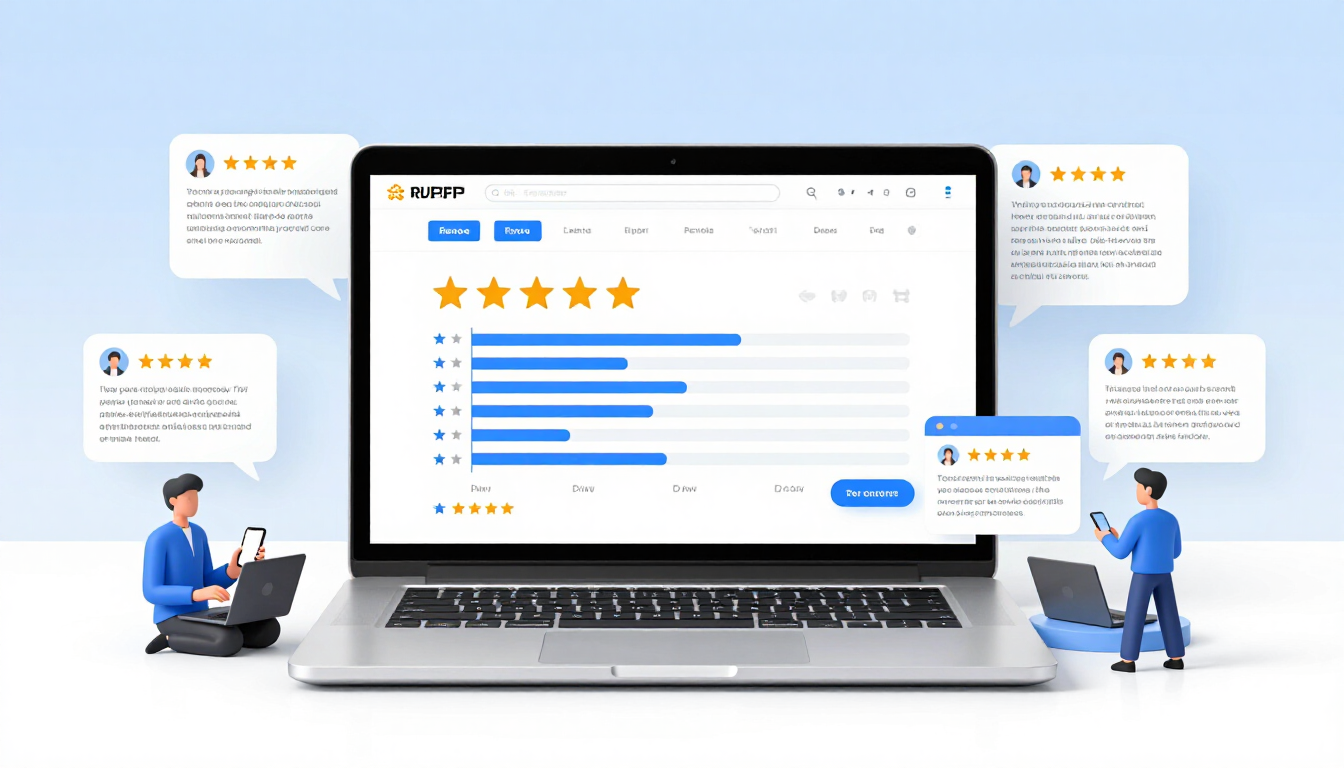
What other clients, your clients say about you in online reviews is trusted 66% of the time. That’s actually down a little bit, it was high as 72% for a little while. Actually, I think it was high as 79% as a trust factor. It’s down from what it was a couple years ago, because a lot of people try to scam the review systems.
It’s worth spending time, trying to collect and get more reviews, because they are so trusted … And that’s going to help you with people finding you, first of all, in search results, and any other form of advertising that you’re doing is going to be more powerful and more impactful … Because of the reviews that get posted online.
Of course, editorial content. You get a news story about you, and your business that’s hopefully a positive news story. That’s trusted just as much as consumer opinions posted online. Those are earned recommendations. Earned referrals that when you do a good job, your clients and other people are going to say good things about you.
Some of the part that you own, which is your website, which is your brand, if you sponsor an event … And the emails that you send out, those have different trust factors, as well. Your website’s trusted at 70% of the time. Brand sponsorship, 61%, the emails that your clients if they said they signed up for them, are trusted 56% of the time.
Something to think about in terms of email making sure that you’re creating content in messaging that helps to build trust with … With your prospects and your clients. That’s just a quick survey, this is from Neilson’s Global Trust in Advertising Survey that they did in 2015, and comparing to the results that they had from 2013.
Hopefully, that’s helpful information for you to be working on your reviews … So if there’s anything we can help you with, you have questions about how to get more reviews than you’re getting right now, please reach out to us. We’re glad to talk to you about that, and help you work on that.
Thank you very much again, for being a client, DMD Consulting and Review Me Marketing, and we’re here to serve you and your marketing needs. Hope you have a great day, and great month until our center, and video for next month. Thanks.
Video Transcript: All right, hey guys, Peter Brissette here, Digital Marketing Dude, and I wanted to share with you something new about Google reviews that you want to be aware of. So Google now will allow users to update their profile, their name on their profiles, so they can be more anonymous. So they're not entirely anonymous, but if they want to use an initial on their last name or shorten their first name, you know, if it's Jennifer and they just want to put Jen or whatever, Dogmom1234. They can change that on their reviews. So that change here just recently was updated means a couple of things. I just wanted to go through this article real quick and talk about that. So what exactly changed in the review system? So Google now allows any user to set up custom display name and profile image, which will appear on all reviews, photos, videos, and contributions across maps and search. It's also retroactive to all the other reviews that they have left as well. So you don't need to have a different Google account to protect your identity. You can just update your profile information. So in practice, what this should mean is that customers can leave reviews under a nickname instead of their full name. All past, future Google Maps contributions, adopt the pseudonym, applies across Q&A, images, and videos. So Google still knows the account behind the review, only the public name is going to be different. So it should allow, in some industries, folks to be able to leave reviews where maybe in the past they haven't. For example, legal services. So in legal services, can you imagine if you were charged for a crime and your attorney helped you and kept you out of jail or whatever it was, and you went on to post, hey, I got charged with shoplifting. And thankfully, my attorney helped me out. You may not want to put your name on that and have it out there. So things like that, mental health is another big area, various medical or health care practices, a lot of health care practices, I think this could affect. Definitely addiction treatment and recovery, financial advisors, and some sensitive home services. The big question is, does this is, The Increase fake review risk. Most people don't think so. Again, this article is from taprocard.com. They certainly don't think so because it's still a real account. It's not like it's a fake account or something like that. So I think it's still going to produce good reviews, but it should increase the number of reviews. And that's really why this matters for business. You should be able to get more reviews. What you want is more frequent reviews, more recent reviews, and that will help build trust from potential customers. And even with all the AI hype and everything that's going on, it's going to help you with your SEO in maps and search, in particular from phones. So how do businesses adjust the review request strategy? How One thing that can be added when you're requesting reviews is to mention if you'd like extra privacy, Google now allows you to leave reviews under a custom display name. And so that can be something that you add in there. I'm also going to put a link here in the post on how to change your Google display name so that you can see that and be able to offer that for your clients as well. So I just wanted to throw out this quick little update. If you have any questions about this, I want to talk about how your reviews are being managed right now. If you're using our services or someone else and would like to talk about that, please reach out. Thank you again, Peter Brissette, Digital Marketing Dude. Visit our website at dmdude.com. Here is the link to the original Post: https://taprocard.com/blogs/article/google-anonymous-reviews-update-2025 Here is a link that explains how to change your display name on google. https://support.google.com/maps/answer/15294714?hl=en
The last question that should we follow our competitors on social media? Sure, why not. You know, you want to see what they're doing and see what's happening there. You know if you're going to be active and you're really trying to use social to build your business then having a good idea what's what your competition is up to is probably important. And you know sometimes what I find with so called competitors is that we you know often times find people that we can collaborate with. It doesn't necessarily mean they are competitors so we work with a number of other marketing agencies and provides some services for them for their clients that they don't necessarily do, but they hire us to do it for them. So like I work with other marketing agencies, so they're not necessarily, you know, your competitor and everything. So but yeah, see what's going on you know, investigate, read up on them, see what they're doing, check out their websites, see what they're ranking for. You know, the more you understand the competitive landscape, the more you know what you should be doing and what you need to do.

And the last question that we have is, can you say more about running a test on TikTok yeah, I so I'm not on TikTok I'm not using tiktok. I wind up watching a lot of TikTok videos on Facebook and the Facebook reels. I think it's fascinating. I find it very interesting. But it's not a platform that I've taken the time to jump on at this point. Again, based on where I'm at with strategy and so forth, it's not a fit for me. But anytime you're using any platform, if you're going to do something, you want to come up with some means of measurement. How am I going to measure success? What does success look like? Is it I, you know, posted a video and I got a thousand views. Is that success you know or is it actually driving traffic and are you tracking how much traffic and then are you tracking what happened to that traffic? Did they fill out a form, did they make a phone call? Like what's the, where do you want that to go? So we really need to step back and think about that whole process. Of creating content, I'm pushing this through to, you know, to my website. And this is what I want to have happen. This is what I wanted the results to be. And then how am I going to track it? How am I going to measure it and do that so anytime you're spending, anytime you're doing something new in particular. Or you're spending any money you need to track it all the way through. All the way through.

The next question that we have is if you have a GoDaddy web page already and are having some issues, are you able to switch over somehow? You can build your website on any other platform and then just you just change the domain where the domain points. So yeah, you can do that anytime. Thank you, Peter.

Next question is how powerful are paid plans to things like Google Adwords or whatever it is called now regarding driving traffic, how can you possibly compete when you don't have the cash to put towards such programs? Yeah, so that's where you gotta get creative. So again we're small businesses and we don't have you know, unlimited funds to you know, just throw a bunch of ads up and you know compete with some other big companies so. Again, this goes back to what are the things I can really do better, because chances are your website is getting some traffic and it could be getting good traffic, but if your messaging isn't clear on your website, you're not getting them to take the next step. They're not making a phone call or filling out a form. So where I can put energy and effort is in that messaging and that and being very clear about who I'm working with, the problem I solve, how I solve it. So that whoever does come across my radar, I have a much higher chance of converting that person then someone else. So you know it's not the best product that always wins, it's who's the best communicator. And so that's why I talk about what you own and what you can't can control and making sure that is dialed in. And doing what it's supposed to do so that if you do go I, if I'm dialed in and I know everything is working well with my website and it's communicating clearly now, I can spend a small amount on ads and drive a small amount of traffic knowing that I'm probably going to get a decent amount of conversions because my messaging's on point and so I don't have to spend as much as the big guy. But I can be more effective because I've spent time working on the stuff that really matters. Thanks, Peter.